


Magnetic Resonance Imaging
Magnetic resonance imaging (MRI) is an essential and highly informative radiological research technique utilized for the diagnosis of internal organs, organ systems, and soft tissues. This research methodology provides a detailed image of the internal state of an organism, allowing for the thorough examination of both the entire body and its separate regions including the brain and spinal cord, cardiovascular system, chest, spine, bone-joint system, and internal organs.
How safe is Magnetic Resonance Imaging (MRI)?
In contrast to conventional research techniques that employ ionizing radiation, magnetic resonance imaging (MRI) provides high-quality images using the utilization of a strong magnetic field and radio waves. As a consequence, this mode of research is entirely safe, even when implemented on infants and juveniles. It is imperative to inform the attending physician of any potential pregnancy or current pregnancy before undergoing an MRI procedure.
How to prepare for a magnetic resonance examination?
Prior preparation is not a necessity when using magnetic resonance imaging. In certain cases, the doctor may give instructions relating to both food and fluid intake before undergoing medical examinations.
What should be considered during a magnetic resonance imaging examination?

The MRI examination is conducted in a specifically designated room with a strong magnetic field. Accordingly, entry into a specified room with metallic items is strictly prohibited. Prior to commencing the procedure, it is recommended that any items and clothing containing metal be stored within the designated dressing area.
Such items include hearing aids, metal jewelry, watches, hair clips; pens, paper clips, keys, and coins; Clothing with metal details such as zippers, buttons, fasteners, hooks, under-wires (bra) or metallic fibers, footwear, belt buckles, safety pins. Some cosmetic products may contain trace amounts of metallic elements, so it is advisable to avoid using makeup. It is recommended to inform your doctor of any implanted medical devices, such as stent(s), pacemakers, or similar apparatus.
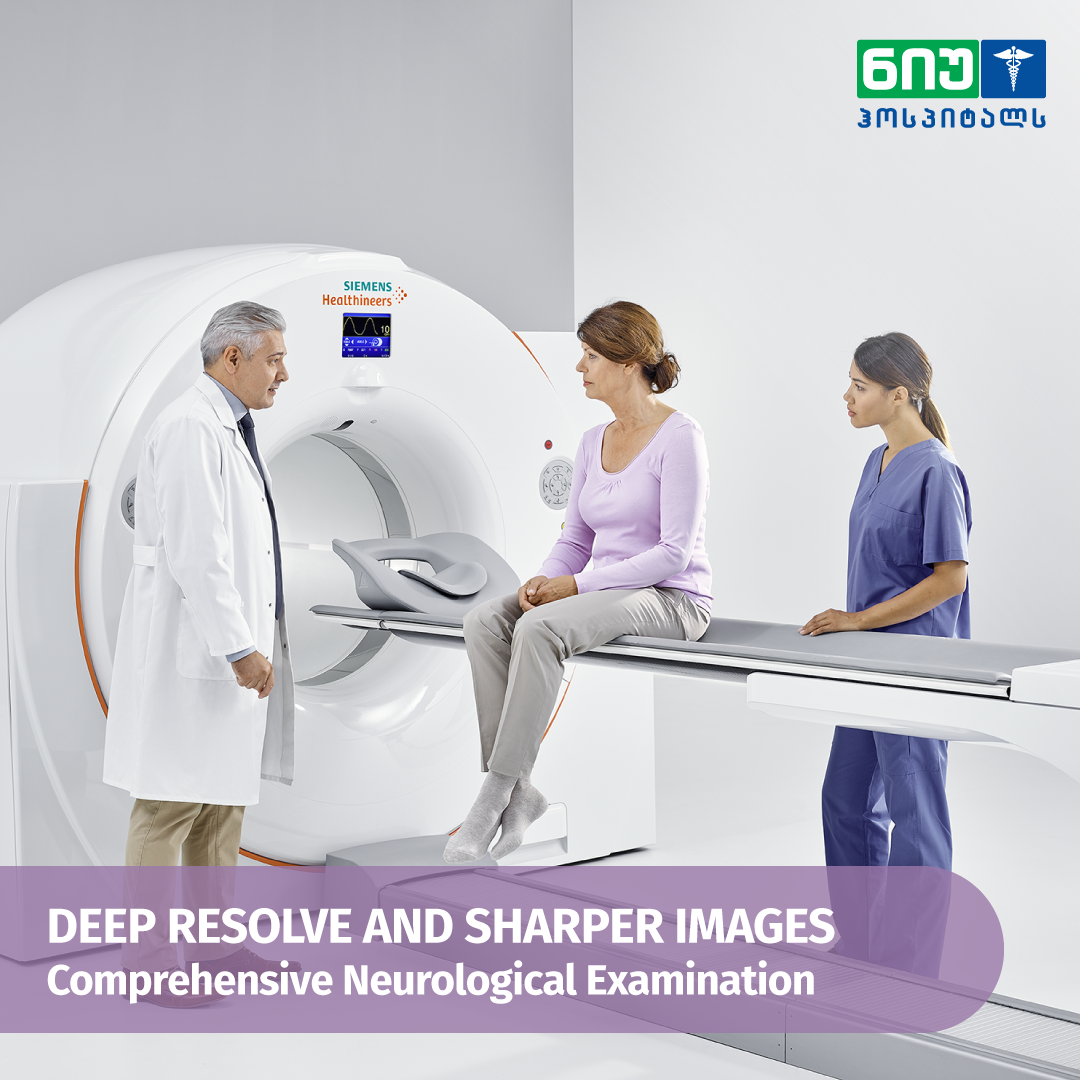
Examination process
Preparation
Prior to initiating the examination procedure, it is mandatory to complete a special questionnaire in the presence of an expert. The duration of an MRI scan is contingent upon both the specific region of the human body that is being analyzed as well as the body mass, typically requiring 20-60 minutes to complete. Prior notification will be provided regarding the anticipated duration of the examination. If the examination necessitates an administration of a contrast agent (a substance containing iron), the patient may feel the introduction of the contrast agent. The contrast agents that do not contain iodine are associated with a limited occurrence of adverse reactions, such as allergic responses or other related complications.
Examination
Upon completion of preparations, the participant will be placed into the MRI tunnel and the scan will commence. The procedure is devoid of any sensation of pain. In order to acquire a high-quality image, it is necessary to position a specialized hard coil that serves as an image receiver on the specific region of the body under examination. The magnetic resonance imaging (MRI) procedure is often characterized by the emission of noise generated by the machine. Noise-cancelling headphones are provided. During the examination, it will be possible for you to have an interaction with the radiographer who will be monitoring the procedure. An examined person will be afforded the opportunity to communicate through the contact bubble, which will be given prior to the commencement of the examination. For any inquiries or when experience anything unusual, please reach out to it and establish communication. Individuals with a large-size, colorful tattoos may experience temperature fluctuations in the corresponding region of the body during a medical examination. Maintaining stillness during an examination and refraining from any movements is obligatory. It is advisable to have your eyes closed in order to maintain calmness.
Completion of Examination
Upon completion of the aforementioned examination, it is permissible to resume one’s daily operations without any interruption. After completing the examination, a radiologist will provide a diagnostic assessment of the patient’s health status. After completing the examination, you can continue with your business as usual. A radiologist doctor will prepare a conclusion about your health status after completing the examination. Prior notice will be provided regarding the availability of the radiologist’s report.


